
Planning a home project? You’ve probably wondered about the difference between a remodel and a renovation. Some people think they’re the same thing. But they aren’t.
The difference isn’t just terminology. It affects your budget, timeline, permits, and whether you can DIY.
Before hiring the contractors, or buying materials, this article will help you understand what you’re signing up for.
What Is Home Renovation?

A home renovation involves updating or refreshing what already exists. You’re improving the appearance or function of a space, but you’re not changing the structure or layout. Think of renovation as a surface-level upgrade.
Common Renovation Examples
- Repainting walls
- Replacing light fixtures
- Updating cabinet hardware
- Installing new countertops
- Replacing flooring
- Updating a bathroom vanity
- Swapping out kitchen appliances
In a renovation, the structure of your home remains the same. The walls don’t move, and plumbing and electrical systems stay in place. You’re simply improving what’s already there.
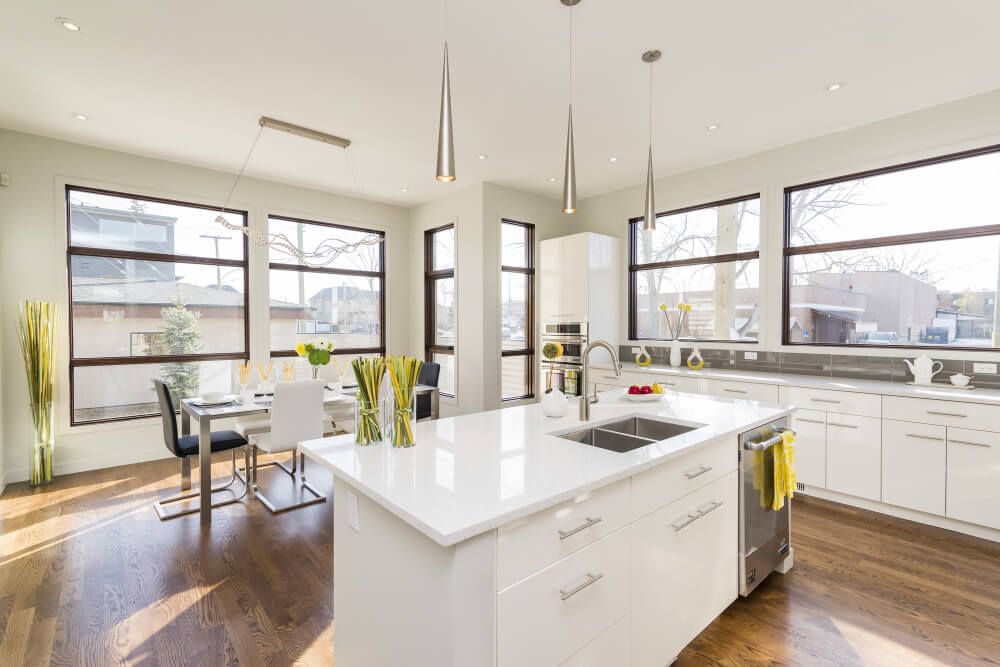
For example, if your kitchen works well but feels outdated, a renovation might include painting the cabinets, installing new hardware, upgrading lighting, and adding countertops. After a renovation, the space feels fresh and modern, but the layout stays the same.
Renovations are usually more budget-friendly than remodeling. Some of the projects can be completed within a weekend or over a few weeks. Some are DIY-friendly, depending on your skills.
What Is a Home Remodel?

A home remodel goes much deeper. Remodeling means changing the structure, layout, or purpose of a space. Instead of refreshing a room, you’re redesigning it.
Common Remodeling Examples
- Knocking down walls to create an open floor plan.
- Raising ceilings.
- Adding a second story.
- Converting a garage into a bedroom.
- Finishing a basement.
- Turning an attic into a usable living space.
- Adding a new bathroom.
- Completely gutting and rebuilding a kitchen.
When you remove a wall between the kitchen and living room to create one open space, that’s remodeling. When you move plumbing to add a sink or shower in a new location that’s remodeling.
Because remodels involve structural changes, they usually require permits, inspections, and licensed professionals. These projects are more complex and typically take longer to complete.
Remodel vs Renovation: What Costs More?
In most cases, remodeling costs more than renovation.
Why? Because remodeling usually involves:
- Structural changes
- Skilled labor
- Permits and inspections
- Plumbing and electrical work
- More materials
- Longer timelines
Here are rough cost examples for individual rooms:
- Kitchen remodel: $3,500 to $65,000 or more.
- Bathroom remodel: $2,500 to $30,000 or more.
These are wide ranges for a reason. Costs vary based on materials, labor rates in your area, and how extensive the work is. A simple kitchen update on the lower end will look very different from a high-end, full-gut remodel.
A full-home remodel may range from $20,000 to $100,000 or more, depending on size and scope.
Your final price depends on several factors:
- The current condition of your home
- The quality of materials you choose
- Labor costs in your region
- Whether you’re changing plumbing or electrical systems
- The overall scope of the project
If you’re working with a limited budget but want noticeable improvements, renovation is usually the more affordable path. If you’re looking for a complete transformation and have the funds to support it, remodeling may be worth the investment.
Can You DIY Renovations and Remodels?
This is where the distinction becomes more important.
Home Renovations: Often Yes
Many renovation projects are manageable for homeowners with basic tools and experience.

For example:
- Painting walls and cabinets
- Installing backsplash
- Updating light fixtures
- Replacing hardware
- Installing certain types of flooring
DIY renovations can save thousands in labor costs. Just make sure you’re realistic about your skill level. A small mistake in tile work or flooring can become expensive to fix later.
Home Remodels: Usually No
Remodeling is a different story. Projects that involve structural changes, load-bearing walls, plumbing relocation, or electrical rewiring should be handled by licensed professionals. These jobs often require permits and inspections to ensure safety and code compliance.
Trying to DIY major remodeling work can lead to serious problems, including safety hazards and costly repairs down the road.
Pros and Cons of a Remodel
If your home feels outdated or the layout doesn’t work for your family anymore, remodeling can be life-changing.
Pros of Remodeling
- Improved functionality: You can design spaces around how you actually live.
- Modern layout: Open floor plans and larger kitchens are in demand.
- Increased home value: Kitchen and bathroom remodels often provide a strong return on investment.
- Faster resale potential: Updated homes typically attract more buyers.
Cons of Remodeling
- Higher cost: structural changes and skilled labor aren’t cheap.
- Longer timelines: remodels can take weeks or even months.
- Daily disruption: Living without a kitchen or bathroom is stressful.
- Greater risk: hiring the wrong contractor can lead to costly repairs later.
Remodeling can dramatically improve your home, but it requires careful planning and a realistic budget.
Pros and Cons of a Renovation
Renovation is often the simpler, less overwhelming option.
Pros of Renovation
- Lower cost compared to remodeling.
- Quicker completion times.
- Less disruption to daily life.
- Easier to DIY.
- It can still boost property value.
Cons of Renovation
- Limited structural changes, you’re working within the existing layout.
- May not dramatically increase value.
- Unexpected issues can arise, especially in older homes.
- Budget creep is still possible if upgrades expand.
Renovation improves what you already have. It doesn’t completely reinvent the space.
Final Thoughts: Choosing Between Remodeling vs Renovating

So what’s the actual difference? Renovation refreshes. Remodel restructures.
If your home is in good condition and only needs a modern look, renovation may be enough. It is generally cheaper, quicker, and less disruptive.
If your layout no longer works or you need more space, then remodeling may be the better long-term solution, even though it requires a larger investment.
When deciding between renovating and remodeling, consider your goals, budget, and how long you plan to stay in your home. The right choice isn’t about the trends. It’s about creating a space that fits your life.
Both possibilities will create comfort, value, and pleasure in your house, provided it is planned and expectations are real. Contact Ried Remodeling for professional insights and guidance.