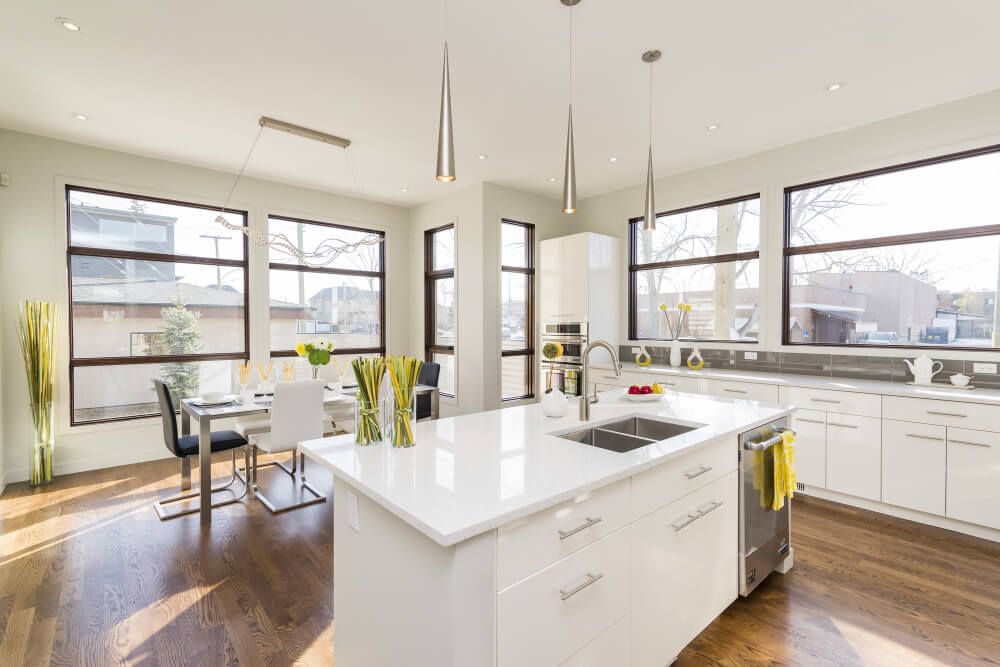

A kitchen remodel is the process of updating or transforming your kitchen to improve how it looks, feels, and functions.
This may include replacing cabinets and countertops, upgrading appliances, or completely reworking the layout.
In most American households, the kitchen is more than a place to cook. It’s where families gather, kids do homework, and friends come together for holidays and celebrations.
It also plays a major role in resale value. An outdated kitchen may drive potential buyers away, whereas a modern kitchen may enhance the beauty of your house and make it easier to sell.
Common reasons for remodeling include adding storage, improving flow, updating old finishes, and increasing home value.
This guide explains the various forms of kitchen remodeling, the main advantages of remodeling, the step-by-step procedure, and useful tips for remodeling your kitchen so that you can start the process.
What Is a Kitchen Remodel?

A kitchen remodel involves redesigning key elements to improve how the space looks and functions.
It may include rearranging the floor plan, updating plumbing or electricity systems, and replacing major elements like cabinets and appliances.
It doesn’t refer to small updates like painting cabinets or changing hardware. It’s also not the same as a kitchen renovation, which typically focuses on updating existing surfaces.
Remodeling may involve removing walls, relocating plumbing, expanding an island, or installing new cabinetry. The mission is not only to add aesthetics but also to provide customization.
The goal is to improve storage, workflow, energy efficiency, and overall functionality to better fit your lifestyle.
Types of Kitchen Remodeling
Here are the main types of kitchen remodeling:
1. Cosmetic Kitchen Remodeling
It is the least invasive and least expensive type. A cosmetic kitchen remodel focuses on surface upgrades to improve appearance.
It could involve both interior and exterior painting of cabinets, installation of a new backsplash, lighting upgrade, or replacement of hardware.
In most cases, it focuses on appearance, though some updates can also improve functionality.
Quartz countertops provide a more durable and easy-to-clean surface than a laminate countertop. Laminate is still a good option; however, it is a little old-fashioned.
2. Layout Modification Remodeling
This type of remodelling changes the layout of the space. You might remove a wall to create an open-concept design or move appliances to improve flow.
The goal is often to improve movement and efficiency. In the modern world, the most important aspect of a home is improving the kitchen, as well as the walkway between the sink, the stove, and the refrigerator to make cooking easier and more practical.
These projects require careful planning and may involve structural changes and building code requirements.
3. Full-Kitchen Remodeling

A full remodel is a complete overhaul. It often includes new cabinets, countertops, flooring, appliances, and updated plumbing and electrical systems.
This is a good option for severely outdated kitchens or when you want a total transformation.
4. Energy-Efficient Kitchen Remodeling
This type of project focuses on lowering utility bills and reducing energy use. Upgrades may include LED lighting, better insulation, and water-saving fixtures.
5. Smart Kitchen Remodeling
Smart kitchen remodeling adds technology for convenience. Examples include smart refrigerators, faucets with sensors, app-controlled lighting, and built-in charging stations.
Benefits of Kitchen Remodeling
There are many benefits of remodeling a kitchen:
Increased Property Value
A kitchen remodel is one of the top upgrades for resale in the U.S. Real estate agents often say the kitchen sells the house.
Your return on investment (ROI) depends on your local market and the size of the project, but updated kitchens consistently attract more buyers and stronger offers.
Improved Functionality and Efficiency
Kitchen remodeling makes day-to-day life easier. Better storage reduces clutter. A smarter layout improves traffic flow.
More counter space and organized cabinets make meal prep faster and less stressful. If your current kitchen feels cramped or awkward, a remodel can completely change how it works and make the space more enjoyable to be in.
Better Energy Efficiency
Modern appliances use less electricity and water. Energy-efficient refrigerators, dishwashers, and LED lighting can lower monthly utility bills.
Over time, those savings add up. You’re not just upgrading your kitchen; you’re investing in long-term efficiency.
Enhanced Aesthetics
If your kitchen looks dated or worn, a remodel can give it a fresh feel.
Smaller upgrades like new cabinet doors, countertops, and fixtures can improve the look without stretching your budget.
Modern finishes create a space that feels clean, stylish, and inviting.
Improved Safety and Sustainability
Kitchens experience significant daily wear and tear. Old flooring, outdated wiring, and aging appliances can create safety risks.
Kitchen remodeling gives you the chance to upgrade to safer materials, modern electrical systems, and eco-friendly options that support a healthier home.
The Kitchen Remodeling Process: Step-by-Step

Planning and Budgeting:
Start by setting clear goals and deciding what you want to change and why. Establish a realistic budget and prioritize needs over wants.
Designing the New Kitchen:
Plan your layout carefully. Choose materials, finishes, and appliances that match your budget and lifestyle.
You can work with a professional designer or handle the design yourself, depending on the scope of your remodel.
Hiring Contractors or DIY Remodeling:
For structural, plumbing, or electrical work, hiring licensed professionals is always the safest option.
DIY remodeling makes sense for cosmetic updates if you have the skills. If you gp this route, make sure you secure the required permits and schedule inspections when necessary.
Demolition and Preparation:
Old cabinets, countertops, and fixtures are removed. The space is prepped for new installations.
Structural, Electrical, and Plumbing Work:
This phase may include moving outlets, updating plumbing lines, or reinforcing walls. Inspections often happen at this stage.
Installations:
New cabinets, countertops, appliances, and lighting are installed.
Flooring and Painting:
Flooring goes in, and walls are painted or finished.
Final Touches and Inspection:
Hardware, trim, and finishing details are added. A final walkthrough ensures everything works properly and meets expectations.
Practical Kitchen Remodel Tips
Don’t rush the planning phase; it sets the tone for the entire project.
- Leave room in your budget for surprises, ideally 10 – 20%.
- Focus on layout first and aesthetics second. A beautiful kitchen remodel that doesn’t function well won’t make you happy.
- Choose timeless designs over short-lived trends. Invest in quality cabinets since they take the most wear.
- Think about storage from the beginning, not as an afterthought.
Use these smart remodeling tips to balance style and practicality. And if resale is even a remote possibility, make choices that appeal to a broad range of buyers.
Conclusion

Kitchen remodeling isn’t just about replacing cabinets or updating appliances. It is more of making your space better in terms of functionality, appearance, and lifestyle.
When you plan carefully, you can add value to your home, improve efficiency, and make daily tasks easier.
Whether you’re making small updates or remodeling the entire kitchen, careful planning makes all the difference.
Be more deliberate, develop a budget, and concentrate on more productive choices. Once you do it the right way, you can transform your kitchen into a place that works well and you enjoy for years to come.
If you need more guidance from professionals, contact Ried Remodeling.