House remodeling refers to improving or updating a home. Most homeowners upgrade their living spaces at some point. This might include upgrading a bathroom, bedroom, or kitchen. Redoing the entire floor is also an example of home remodeling.
With rising home prices and moving costs, many people choose to invest in improving the home they already love.
This blog post explores house remodeling, why it is a good idea, and how to begin.
What is House Remodeling?
Home remodeling includes many types of home improvement projects. General appearance, layout, or structure, anything can fall into this category.
Remodelling a house goes beyond simple cosmetic updates. Renovation may involve updating fixtures, lighting, and finishes.
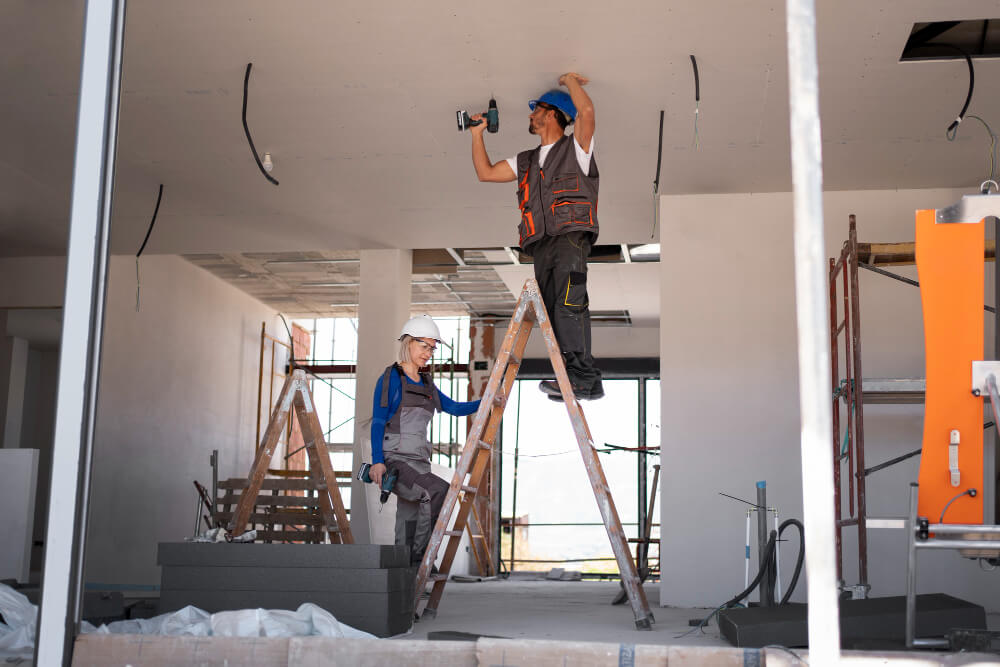
Remodeling often involves larger structural changes, such as reworking the floor plan or removing and adding walls. It may include adding a kitchen or bathroom, finishing a basement, or completing a full redesign.
Some projects are small in scope, such as widening a doorway. Meanwhile, there are also those that concern full-house remodeling, which transforms the property.
Types of Home Remodeling
The main types of home remodeling are:
1. Interior Remodeling
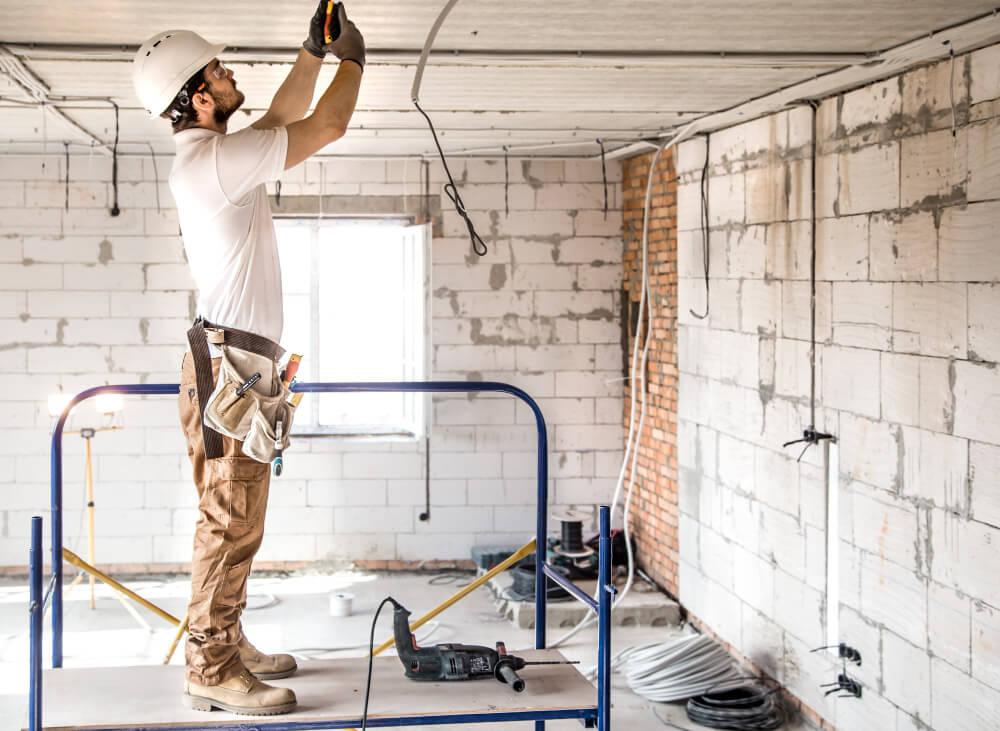
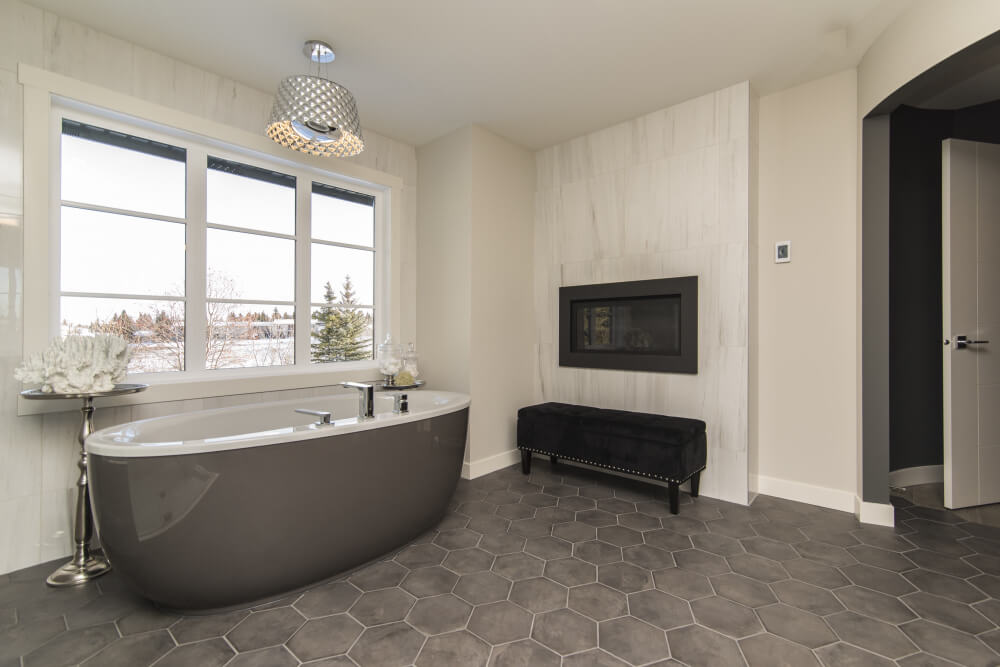
Interior remodeling of homes focuses on improving the inside of your home. Bathroom upgrades include plumbing fixtures, water-efficient features, and tiles.
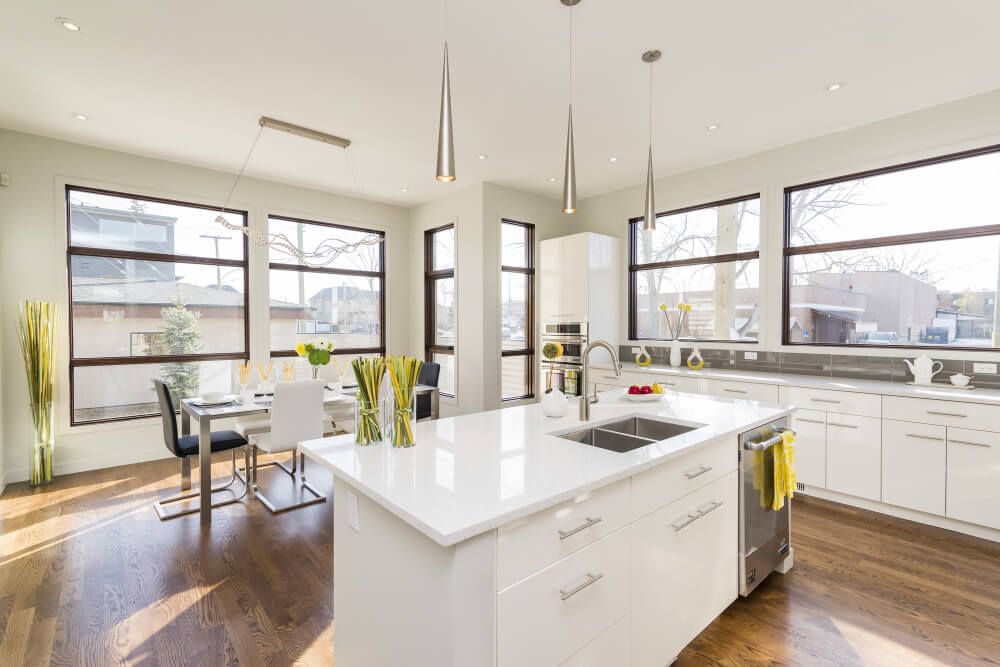
Other popular projects include kitchen remodeling to upgrade appliances, cabinets, and countertops for better function. Basement finishing adds usable living space, while updates to flooring, painting, and lighting refresh the overall look.
2. Exterior Remodeling
Exterior remodeling focuses on improving the outside of your home for better protection and appearance. Roofing replacement and siding updates help protect your property from weather damage.
Upgrading windows and doors improves energy efficiency and security. Upgrading porches and decks makes outdoor spaces more usable and inviting. Landscaping upgrades, including plants and lighting, enhance the overall look.
Remodeling a house on the outside can boost value while strengthening its structure.
3. Structural Remodeling
Structural remodeling involves significant changes to your home’s structure. This may be done through the elimination or introduction of walls that can give way to open floor plans and increase natural light.
When families need more space or they want to increase property value, they add more rooms. This often includes changing floor plans and expanding living space. This strengthens overall structure and transforms the functioning of the home space.
4. Energy-Efficient & Smart Home Remodeling
Energy-focused remodeling of a home includes adding smart technology and energy-saving upgrades.
The use of smart thermostats will ensure heating and cooling is more economical, reducing monthly charges. Energy-efficient windows and insulation upgrades prevent heat loss and improve indoor comfort year-round.
Solar panels reduce electricity costs and promote clean energy use. This type of home improvement makes your space more convenient, eco-friendly, and cost-effective over time.
Benefits of House Remodeling
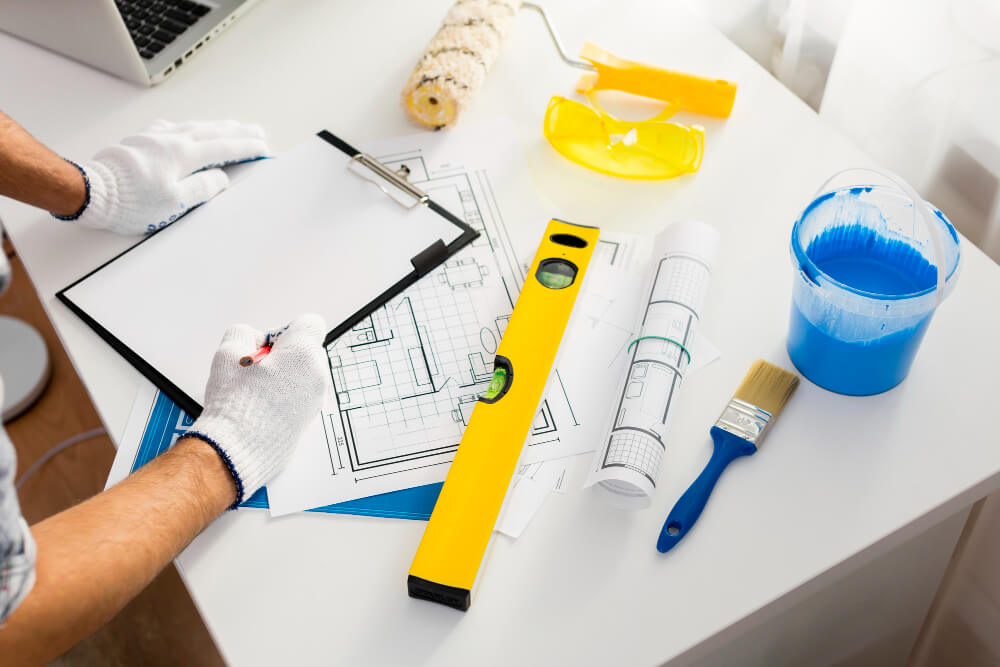
House remodeling offers more than just a fresh look. One of the biggest benefits is increased property value. Well-planned updates, especially in kitchens and bathrooms, can significantly boost resale potential.
Remodeling a home also improves comfort and functionality. You can create better storage, open up cramped spaces, or design rooms that fit your daily routine. It makes daily life more functional and comfortable.
Aesthetic upgrades are another major perk. Updated flooring, modern fixtures, and a better layout can completely transform how your home feels.
Energy efficiency is often part of the process, too. New windows, insulation, or smart systems can lower utility bills and make your home more comfortable year-round.
Most importantly, house remodeling lets you personalize your space so it truly feels like home. In recent years, homeowners have focused more on improving comfort, value, and efficiency.
And this trend continues to rise with time.
Process of Remodeling a House
Plan well, set specific goals to know what you have to modify and why. This way you can stay focused and prevent unnecessary updates – saving you money and time.
Next comes realistic budgeting and cost estimation.
During the design consultation phase, gather ideas from websites, magazines, or home shows. This helps shape your vision and refine your priorities.
Hiring experienced contractors is a key part of the house remodeling process. They guide the work, avoid costly mistakes, and handle technical details.
Many projects require permits, especially for structural, plumbing, or electrical work.
Finally, construction begins, followed by inspections to ensure everything meets building codes and safety requirements.
What Factors Determine the Cost of Home Remodeling?
The cost of house remodeling depends on several factors:
The first factor is the size and scope of the project. The process of remodelling one bathroom is much cheaper than remodelling an entire house.
Material quality is another major factor. Luxury countertops, custom cabinets, and quality flooring manufacturers add up quickly and are a large part of your overall investment.
Labor costs vary depending on contractor experience, demand, and location. The experienced contractors command higher rates because of their skill level.
Projects such as removing walls or adding new rooms increase costs because they require engineering, permits, and additional labor.
Unexpected repairs, such as outdated wiring or hidden water damage, can also increase costs unexpectedly.
Common Mistakes to Avoid When Remodeling a House
Remodeling a house can be stressful or go smoothly depending on several facors.
- The most common mistake isn’t setting a realistic budget. Start by clarifying your goals, then request detailed quotes from at least three contractors. Always remember to include permit fees, inspection, insurance, and temporary housing if needed.
- Skipping proper planning is also a big issue. Ensure every agreement is in writing, with clear pricing and timelines. Don’t buy the material until your plans are finalized. Changes can get expensive in the middle of the project.
- When hiring, don’t choose based on price alone. Interview multiple contractors and check references yourself.
- Ignoring permits can lead to fines or problems when selling. And while the initial savings are tempting, focus on long-term value during your house remodeling project.
Final Thoughts on House Remodeling
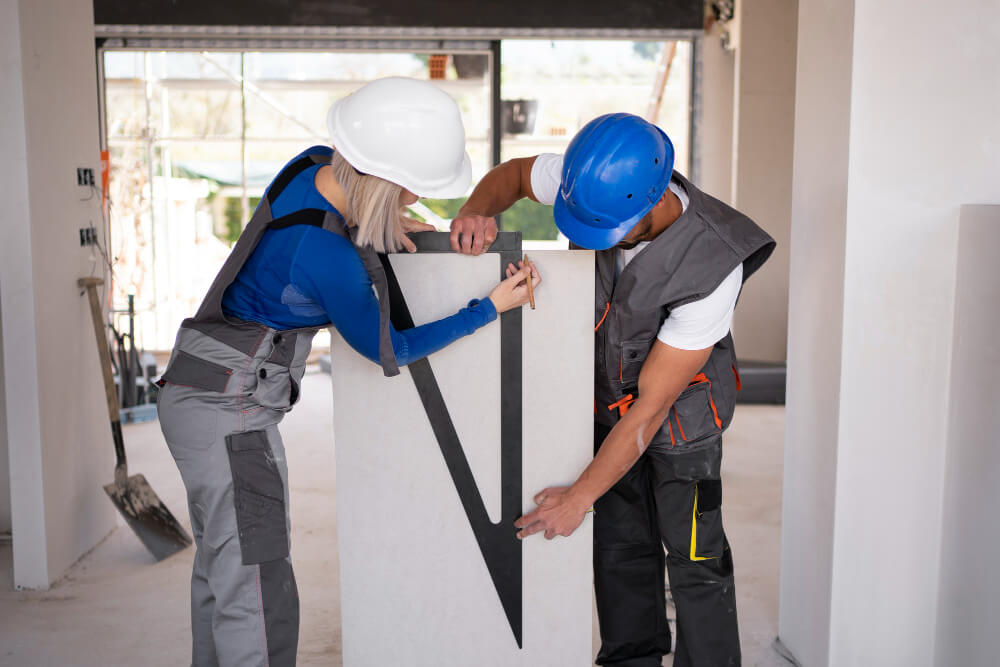
The goal remains to make your house look and feel like a new space. Remodeling can increase your home’s value. Adding a room, renovating a kitchen, or redesigning the layout can make a significant difference.
Working with reliable contractors, obtaining the right permits, and having clear objectives agreed upon in writing are crucial. Careful planning and a realistic budget are key to success.
Home remodeling goes beyond a simple renovation. It is all about adapting your home to better fit your lifestyle.